
Disclaimer
Up-Education is not a financial advisor. All information provided is for educational purposes only. Always consult with a certified financial professional before making any investment decisions. The views expressed here are solely our own and should not be interpreted as financial advice or a recommendation to make any specific investment decisions. Use this information at your own discretion and responsibility.
You should not make buying or selling decisions based on this post or any other information from Up-Education.
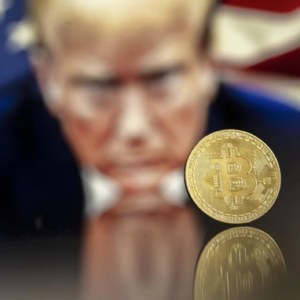
In the ever-evolving landscape of cryptocurrency, the allure of rapid financial gains continues to captivate investors worldwide. A recent example is TrumpCoin, which experienced an astounding surge of 15 times its initial value within a week of its launch. Such remarkable gains naturally tempt investors to consider diving in; however, the risks associated with speculative investments like meme coins are often overlooked. While the possibility of tripling an investment within a month exists, the probability of losing the entire investment is equally significant.
The Meteoric Rise and Fall of TrumpCoin
On January 17, 2025, TrumpCoin was launched by Donald and Melania Trump at an initial price of $4 per coin. Within just two days, on January 19, the coin’s value skyrocketed to $75 per coin, pushing its market capitalization to an impressive $13 billion. However, this peak was short-lived, as the value plummeted to $38 per token by January 21, the day after former President Trump took office.
This rapid fluctuation underscores the inherent volatility of meme coins and speculative assets. While supporters of the cryptocurrency argue that digital assets possess intrinsic value, the fundamental question remains: What cash flow does it generate? Unlike traditional investments such as stocks or real estate, cryptocurrencies do not provide tangible returns in the form of dividends, interest, or rental income.
The Intrinsic Value Debate
Investors in traditional markets often emphasize the intrinsic value of their holdings. When purchasing stocks, investors acquire ownership stakes in businesses that generate cash flow through operations, dividends, and debt reduction. Similarly, real estate offers tangible value through rental income or agricultural use. However, cryptocurrencies, including meme coins, do not provide such fundamental benefits. They rely heavily on market sentiment, making them highly speculative in nature.
Furthermore, the comparison between fiat currency and cryptocurrency raises critical questions. While fiat money is used for everyday transactions, its primary purpose is not investment. In contrast, cryptocurrencies depend on fiat money for valuation, raising concerns about their long-term viability. If the crypto market were to collapse, the intrinsic worth of these digital assets could be questionable.
Investing vs. Gambling: The Harsh Reality of Speculation
Speculating in cryptocurrencies, particularly meme coins, is often compared to gambling. The market operates much like a casino, where individuals may experience short-term wins but risk developing unsustainable financial habits. The psychological aspect of winning early in speculative markets can lead to overconfidence and potentially larger losses in the future. For example, many investors who have previously profited from short-selling tech stocks later faced significant losses due to overconfidence in their strategies.
The unpredictable nature of meme coins, driven primarily by hype and social media influence, highlights the importance of principle-driven investing. Unlike investing in established markets with repeatable success strategies, speculative assets can lead to financial instability.
The Broader Implications of Crypto Enthusiasm
Despite the skepticism surrounding cryptocurrencies, their underlying technology and principles—such as decentralization and financial independence from governmental control—are appealing concepts. However, the absence of regulatory oversight introduces significant risks. Issues such as fraud, scams, and the inability to recover lost funds highlight the need for a balance between financial freedom and consumer protection.
Many crypto enthusiasts paradoxically value their digital assets in terms of fiat currency, despite their criticism of traditional financial systems. This contradiction raises questions about the sustainability and practicality of cryptocurrencies as a reliable store of value.
A Sustainable Approach to Wealth Building
While the potential for high returns in cryptocurrency markets is enticing, sustainable wealth accumulation requires a disciplined approach. Financial experts often recommend investing in low-cost index funds, such as the S&P 500 (SPY) or Vanguard’s VOO, which provide long-term growth and stability. Dollar-cost averaging and prudent financial planning remain time-tested methods for achieving financial security without exposing oneself to excessive risks.
Conclusion
Investing in meme coins like TrumpCoin may offer short-term excitement, but the long-term financial implications can be detrimental. Understanding the distinction between investing and speculation is crucial for building sustainable wealth. Rather than seeking quick gains through high-risk assets, investors are encouraged to focus on sound investment principles that provide consistent returns and financial stability.
As the cryptocurrency landscape continues to evolve, informed decision-making and financial discipline remain essential for navigating the complexities of the digital asset market.